Fact Sheet on Older Americans
Demographics
The number of Americans age 55 and older will almost double between now and 2030 – from 60 million today (21 percent of the total US population) to 107.6 million (31 percent of the population) – as the baby boomers reach retirement age.
During that same period of time, the number of Americans over 65 will more than double, from 34.8 million in 2000 (12 percent of the population) to 70.3 million in 2030 (20 percent of the total population).
The most rapid growth in numbers is among the "oldest old." According to the U.S. Census Bureau, there are currently 66,000 Americans older than 100, which is 20 times the number of centenarians who were alive in 1960. The Bureau estimates that there will be 214,000 centenarians in the U.S. by 2020 and 834,000 by 2050.
The next generation of retirees will be the healthiest, longest lived, best educated, most affluent in history:
- Americans reaching age 65 today have an average life expectancy of an additional 17.9 years (19.2 years for females and 16.3 years for males).
- The likelihood that an American who reaches the age of 65 will survive to the age of 90 has nearly doubled over the past 40 years – from just 14 percent of 65 year olds in 1960 to 25 percent at present. By 2050, 40 percent of 65 year olds are likely to reach age 90.
Education and Income
The older population is becoming better educated. While less than one-third of today's adults aged 70-74 have at least some college education, that percentage will increase to more than 50 percent by 2015.
Most older Americans today have more financial resources than did previous generations. Households headed by persons age 65 and older reported a median income in 2000 of $32,854 ($33,467 for Whites, $27,952 for African-Americans, and $24,330 for Hispanics). While one of every eight (12.1 percent) households headed by someone age 65 or older had incomes less than $15,000, nearly half (49.2 percent) had annual incomes of $35,000 or more, and nearly three in ten households (29.8 percent) have incomes greater than $50,000 per year.
Older VolunteersNearly half of all Americans age 55 and over volunteered at least once in the past year. Even among those age 75 and older, 43 percent had volunteered at some point in the previous year.
Older Adults as Volunteers
| | Age 55 to 64 | Age 65 to 74 | Age 75+ | | Percent of age group who volunteer | 50.3 percent | 46.6 percent | 43.0 percent | | Total number of volunteers | 11.9 million | 8.5 million | 7.1 million | | Avg weekly hours per volunteer | 3.3 hours | 3.6 hours | 3.1 hours | | Total time volunteered annually | 4.8 billion hours | 1.6 billion hours | 1.1 billion hours |
Source: Independent Sector, America's Senior Volunteers, June 2000
Older volunteers devoted the most time to community activities – almost double the national median for all ages. Compared with the U.S. median commitment of 52 volunteer hours annually, those 65 and over contributed 96 hours. (U.S. Department of Labor's Bureau of Labor Statistics, "Volunteering in the United States," December 2002).
Participation of seniors in volunteering could be expanded substantially if more were asked to volunteer or were offered an incentive to serve.
-
Just 17 percent of adults age 55 and over who were not directly asked to volunteer did volunteer on their own. Among those who were asked, however, 83 percent – or more than four times as many – volunteered.
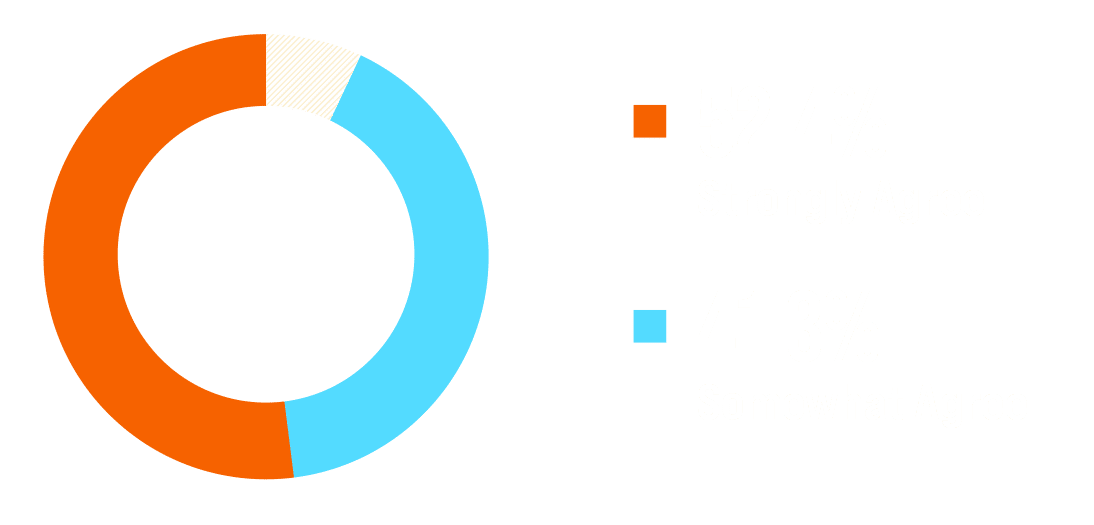
- According to the 2002 Hart survey sponsored by Civic Ventures, an additional 21 percent of older Americans would commit at least five hours a week to volunteering if they received a small incentive for their service, such as discounts on prescription drugs and/or a $200/month stipend. Offering such an incentive could double the current older adult volunteer workforce, from 25 percent to 46 percent. Nearly one in three older adults say they would serve 15 hours a week for such an incentive.
Changing Attitutes Toward Retirement and the Emergence of a New "Life Stage"
Older Americans no longer see retirement as an "endless vacation," but increasingly as an active, engaged phase of life that includes work and public service.
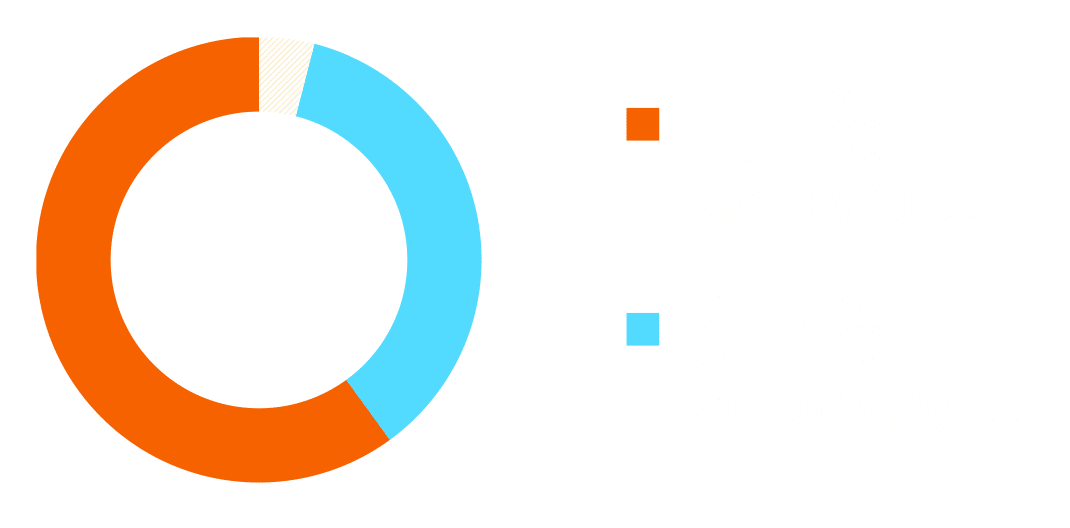
- According to a 2002 survey conducted for Civic Ventures, 59 percent of older Americans see retirement as "a time to be active and involved, to start new activities, and to set new goals." Just 24 percent see retirement as "a time to enjoy leisure activities and take a much deserved rest."
- Those who plan to work in their retirement cite the desire to stay active and productive, rather than economic necessity, as the primary reason.
- More than half of the respondents (56 percent) say civic engagement will be at least a fairly important part of retirement (Peter D. Hart Research Associates, "The New Face of Retirement: An Ongoing Survey of American Attitudes on Aging," San Francisco: Civic Ventures, 2002.)
- A 2003 survey conducted for AARP found that many Americans between the ages of 50 and 70 plan to work far into what has traditionally been viewed as their "retirement years,"
- Nearly half of all pre-retirees (45 percent) expect to continue working into their 70s or later. Of this group, 27 percent said they would work until they were in their 70s, and 18 percent said "80 or older," "never stop working," or "as long as they are able to work."
- The most common reasons given by pre-retirees for wanting to continue working in retirement were the desire to stay "mentally active" (87 percent) or "physically active" (85 percent), and the desire "to remain productive or useful" (77 percent). Slightly more than half of the pre-retirees (54 percent) indicated that their motivation was based on "a need for money." (S. Kathi Brown, "Staying Ahead of the Curve 2003: The AARP Working in Retirement Study," Washington, DC: AARP, 2003)
Factors in the Decision to Work in Retirement (%)*
| | Pre-retirees who plan to work in retirement | Working retirees | Total | | Desire to stay mentally active | 87 | 68 | 83 | | Desire to stay physically active | 85 | 61 | 80 | | Desire to remain productive or useful | 77 | 73 | 76 | | Need health benefits | 66 | 20 | 56 | | Desire to help other people | 59 | 44 | 56 | | Desire to be around people | 58 | 47 | 55 | | Need the money | 54 | 51 | 53 | | Desire to learn new things | 50 | 37 | 48 | | Desire to pursue a dream | 32 | 20 | 29 |
Source: AARP, "Staying Ahead of the Curve 2003"
*Respondents could choose as many factors as apply to them
The result of these demographic trends is the emergence of a new lifestage between adulthood and true old age – which has been called the "third age" or "midcourse" – that encompasses the 50s, 60s and even 70s. How this stage is defined, and what activities it involves, is currently being determined.
"[Midcourse] connotes the period in which individuals begin to think about, plan for, and actually disengage from their primary career occupations and the raising of children; launch second or third careers; develop new identities and new ways to be productively engaged; establish new patterns of relating to spouses, children, siblings, parents, friends; leave some existing relationships and begin new ones. As in adolescence, people in the midcourse years are thinking about and enacting role shifts that are both products of their past and precursors of their future life course.
"The fact that most retirees say that they retired 'to do other things' suggests that midcoursers are retiring to move to something else, not simply from boring or demanding jobs."
- Phyllis Moen, "Midcourse: Navigating Retirement and a New Life Stage." In Jeylan Mortimer and Michael J. Shanahan, eds., Handbook of the Life Course. New York: Kluwer Publishers, 2003.
|
Many good paths
The transition to a next
chapter can involve recycling, changing, or starting a career. A 30-year
executive in advertising now teaches the subject at a local college. A Marine
Corps brigadier general now runs an urban hunger relief program. An avid
recreational biker now helps adults learn the importance of being active.
|